
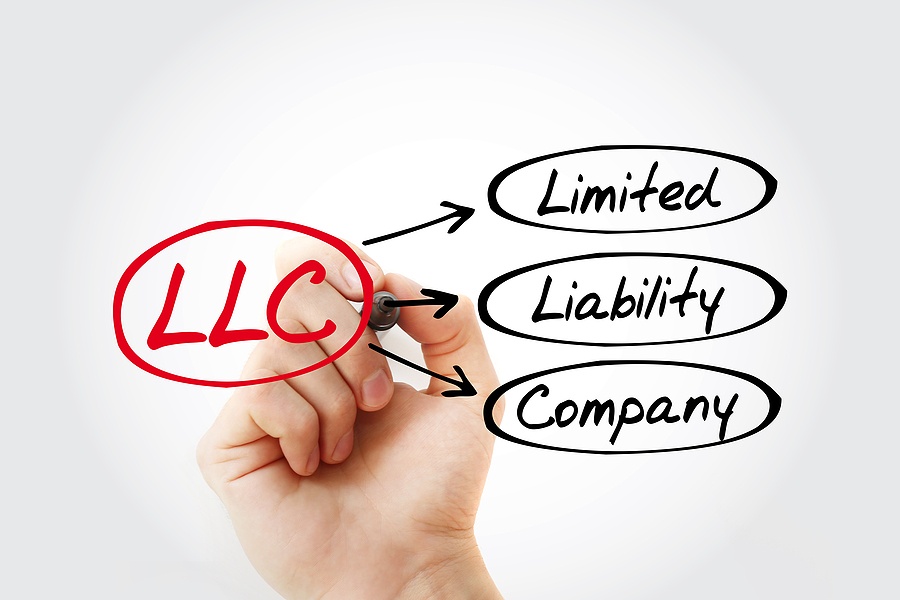
Here’s Why a Single-Member LLC Is Ideal for Your Business
If you are thinking of starting a business, you have to be ready to take on many responsibilities. You also have to make sure that the decisions you make will benefit your company. One of the first decisions that you will have to face as an entrepreneur is how to structure your business. Your choice will determine how your company will be taxed, the registration paperwork, and compliance requirements. So will it be a single member LLC or a different business entity?
What Is a Single-Member LLC
If you are the sole owner of the company, then consider forming a single member limited liability company (LLC). It is a common form of small business in the country.
Some people may confuse it with a sole proprietorship. However, the only similarity between the two is that there is one business owner. Unlike a sole proprietorship, a single-member LLC can elect the way it will file taxes. You can either opt for pass-through taxation or pay like a corporation. You can also take on additional members in the future. Lastly, LLCs offer liability protection.
Advantages It Offers
Single-member LLCs come with many benefits. That is why they are an attractive choice for many startups. Here are some of the advantages that make single-member LLCs ideal for your business:
- Limited Liability – The main benefit of forming an LLC is that it offers limited liability. Even if you are the owner of the business, you will not be liable for the obligations or debts of the company. In case of a lawsuit or bankruptcy, your personal assets will not be at risk. Creditors will not be able to make claims against your personal properties and funds. The losses of the LLC will also be limited to your business assets.
However, you have to keep in mind that it is necessary to run the company as a separate entity from yourself to keep that corporate veil intact. Otherwise, you might end up losing that protection. A way of maintaining that separation is by keeping a bank account for the LLC. You also have to track your personal expenses and those of the business separately. It would also help to have a company credit card.
- Transferability Of Ownership – Transferring company ownership is possible for a single member LLC. Even if the original owner chooses to leave the business, they will be able to transfer the ownership to someone else. There will be no need to stop the operations of the business. It can continue to run despite the change in ownership.
- Taxation – Generally, all LLCs enjoy pass-through taxation. This means that the company does not have to pay federal income taxes at the corporate level. Instead, all profits will be passed through to the owners, who will then report it on their individual tax returns. The same is true for a single-member LLC. As the owner, also known as a member, you will report the profits on your personal income tax return.
- Raising Capital – Single member LLCs allow access to many opportunities to raise capital. Some investors prefer supporting new companies. You can even offer admission to additional members and change into a multi-member LLC in the future. These members will also benefit from limited liability, which can be a good selling point that will convince them to invest in your company.
- Professionalism – Sometimes, offering products or services on your own can make you seem like a freelancer. There is nothing wrong with that. However, some people prefer to work with companies because they seem more legitimate. Forming an LLC can give you a professional appearance. It can establish credibility and prove that your business operations are legal and registered with the state.
Getting Started
Once you make up your mind about forming a single-member LLC, the next thing that you have to do is to go through the registration process. Depending on the state where you decide to organize your business, the requirements, steps, and fees may vary.
While there may be differences, forming LLCs typically includes the following steps:
- Choosing a distinguishable name
- Appointing a registered agent
- Filing the formation documents and paying the corresponding fees
- Filing the initial report, if necessary
- Obtaining an Employer Identification Number (EIN)
If you want to learn more about the process, check out our simple guide per state. You may also get help from a third-party organization like DoMyLLC. Our team of experts has the proper knowledge and understanding of the processes that each state has set. Contact us now to get started.