

What Does a Registered Agent Actually Do? The Complete Guide for Business Owners
Sarah thought she was being smart by saving money and acting as her own registered agent for her consulting LLC. That decision cost her $25,000 when a client lawsuit notice sat in her mailbox for two weeks while she was visiting her sick mother out of state. By the time she returned, the court had already issued a default judgment against her business.
It may sound extreme, but situations like this are more common than many people realize. Each year, many business owners lose lawsuits, face fines, or even have their companies shut down by the state because they did not understand what a registered agent does or why the role matters so much. Many small business owners assume they can handle this responsibility themselves, without realizing how serious the consequences can be if important legal documents are missed.
Your registered agent isn’t just a name on paperwork. They’re your business’s first line of defense against legal disasters and compliance nightmares. Getting this wrong can destroy everything you’ve worked to build, while getting it right gives you the protection and peace of mind every entrepreneur deserves.

Key Takeaways
Every business entity is legally required to have a registered agent. That means LLCs, corporations, and partnerships must designate a registered agent with a physical address in each state where they do business, in all 50 states.
Missing legal documents can cost you everything. Lawsuits, subpoenas, and government notices sent to your registered agent often come with strict deadlines, and missing those deadlines can lead to default judgments and serious financial damage.
Professional services help prevent costly mistakes. While you can act as your own registered agent, professional providers offer privacy protection, consistent availability, and organized document handling that reduces the risk of compliance problems.
Same-day notification can protect your business. Modern registered agent services scan and forward documents within hours, giving you as much time as possible to respond to legal issues and government requirements.
Understanding the Registered Agent Role
Every business entity, whether it is a limited liability company (LLC), a corporation, or a limited partnership, needs someone to accept official documents on its behalf. This person or company is called a registered agent and serves as the official point of contact between the business and the outside world. Each business entity must list its registered agent’s name and physical address with the state’s business filing agency.
Forbes Advisor explains that a registered agent is “a person or company designated to receive legal correspondence on behalf of an LLC or corporation and relay important government, tax, and legal messages to the business owner in a timely manner.”
Your registered agent provides the function for legal and government correspondence, ensuring your business can always be reached when it matters most. The appointed registered agent’s location must be physically present during normal business hours to receive legal documents and other official communications. This includes serving as the corporation’s official point of contact for all legal matters.
Whether you operate as a statutory agent, resident agent, or process agent (different terms used by various states), the core responsibilities remain the same.
The Daily Reality: What Registered Agents Handle
Your registered agent handles serious business matters. They do not manage your regular mail or customer inquiries; instead, they take care of critical legal and government communications that can significantly affect your company’s future.
Legal Paperwork That Can’t Wait
When someone sues your business, the law requires proper service of process, which means officially delivering legal documents to you through your registered agent. This requirement helps ensure that business owners receive legal notices in a timely and reliable way.
These important documents include lawsuit notices, subpoenas demanding your appearance in court, and summons requiring immediate attention. Once your registered agent accepts these legal papers, you typically have 20-30 days to respond. Miss that deadline, and the court may rule against you automatically with a default judgment.
Example: A restaurant owner once relied on a professional registered agent who received a slip-and-fall lawsuit on a Friday afternoon. Because the agent forwarded the documents immediately, the owner’s attorney was able to respond by Monday morning.
Government Communications You Can’t Ignore
State and federal agencies regularly send government correspondence that requires prompt attention. Your registered agent receives annual report notices, tax forms, compliance related documents, and licensing renewals. The business entity filing office and other government agencies rely on registered agents to ensure official documents reach business owners.
Missing this government correspondence can trigger a cascade of problems. Your business might lose its good standing, face mounting financial consequences, or even be dissolved by the state.
Document Organization and Tracking
Professional registered agents do far more than accept papers and put them in a file. They scan and create digital copies, sort documents by priority, and keep detailed records of when each item was received. This structured system for handling formation paperwork, legal notices, and other official documents helps create a clear, reliable record for your business.
These professionals maintain organized, timestamped records, which can be a crucial factor in supporting your position in a legal dispute.
Why Every Business Owner Needs This Protection
The registered agent requirement is not just government bureaucracy; it is actually designed to protect you. This role is essential for your business because it helps you stay legally compliant and ensures you never miss important legal or government notices.
Legal Protection That Actually Works
Courts need a reliable way to notify you about legal actions. Without a registered agent, process servers may use substituted service, which can involve publishing a notice in a newspaper or leaving legal papers with someone at your business instead of delivering them directly to you.
Imagine missing a lawsuit because the papers were handed to a temporary employee who never passed along the message. With a professional registered agent, you are notified of legal issues promptly, often within hours, instead of discovering them weeks later.
Privacy That Keeps You Safe
A registered agent’s address, not your home address, appears in public records and on many state business filings. This means legal documents, process servers, and other official notices are directed to the agent’s office instead of your front door.
For home-based business owners, this layer of privacy can be especially important. It reduces the chances of strangers or process servers showing up at a residence where family members and children may be present.
Business Hours That Actually Matter
Registered agents must be available during standard business hours to accept legal documents and official communications. If you’re traveling, in meetings, or simply running your business, you might miss critical deliveries from process servers or courier services.
Professional registered agent services staff their offices specifically during regular business hours to catch these important papers.
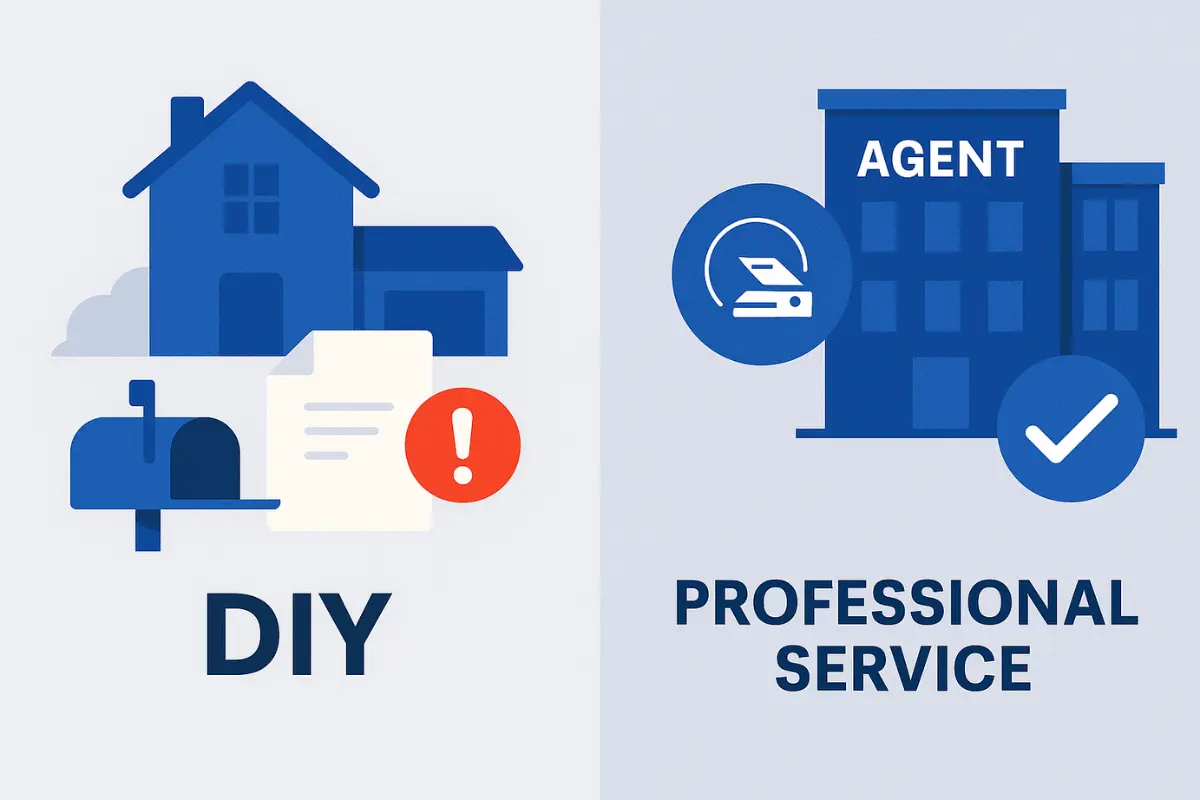
Professional Service vs. DIY: The Real Difference
Many new business owners start by serving as their own registered agent to save money. While this is legally permissible, the risks often outweigh the modest savings.
What Self-Service Really Costs
When you act as your own registered agent, the address you list (often your home or main business location) becomes part of the public record in your state’s business database. This makes it easy for competitors, solicitors, and process servers to find you, and often leads to more unsolicited mail and uninvited visitors. You are also legally required to be available at that address during normal business hours to receive legal and official documents.
The U.S. Small Business Administration notes that “a registered agent receives official papers and legal documents on behalf of your company and must be located in the state where you register your business, which is why many owners choose to hire a registered agent service instead of serving in the role themselves.”
If you travel, take vacations, meet clients off-site, or have a family emergency, you still remain responsible for any legal papers delivered to your registered address, and missed deliveries can lead to serious consequences. This constant availability requirement can be especially burdensome for home-based business owners, who also face added privacy concerns when their residence is listed publicly.
Professional Advantages That Pay For Themselves
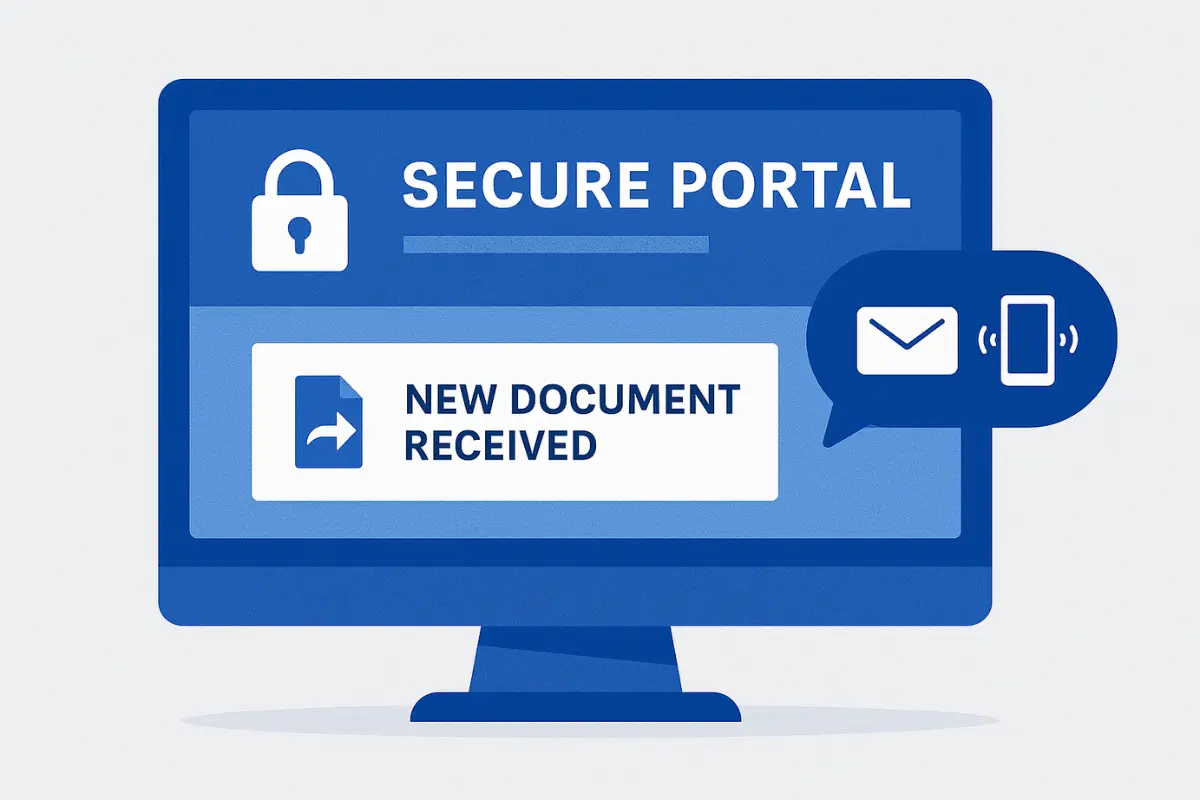
Professional registered agent services typically offer fast document scanning, secure online portals, and automated reminders for annual reports and other deadlines. They also rely on established systems and backups that most individual business owners do not have, which helps reduce the risk of missed notices or compliance lapses.
The annual cost for a professional registered agent generally falls between about $100 and $200 for many small businesses, which is similar to or less than what many owners spend on coffee each month. Given the compliance protection, timely alerts, and convenience these services provide, the fee is a relatively small and often worthwhile investment.
Technology That Prevents Disasters
Modern registered agent services use digital systems that automatically scan and forward documents within hours. You’ll get text alerts, email notifications, and secure portal access immediately.
State-by-State Requirements You Must Know
Every state requires registered agents, but the specific rules vary significantly. Understanding your state’s requirements helps you choose the right service and avoid compliance problems.
Address and Availability Rules
Your registered agent must have a physical address in every state where your business is registered. The registered agent’s address becomes part of the public record and must be a real location where process servers can personally deliver important legal documents during business hours.
Appointment and Change Procedures
When you form your business through business registration, you’ll designate your initial registered agent on the formation documents filed with the business entity filing office. Changing to a new registered agent later requires filing official paperwork and paying state fees.
Most states charge $25-50 for registered agent changes, plus processing time that can delay important business activities.
Consequences of Non-Compliance
States take registered agent requirements seriously, and failing to maintain a registered agent can lead to loss of good standing, fines, and even administrative dissolution, where the state revokes your company’s authority to operate.
If your business is administratively dissolved, you may lose the liability protection and other legal benefits that come with being a properly formed entity, especially if you keep operating while dissolved. In that situation, owners and officers can be personally exposed for new debts, obligations, and certain claims that arise while the business lacks legal status.
Red Flags: When Your Registered Agent Isn’t Working
Not all registered agent services are created equal. Here are warning signs that your current arrangement isn’t protecting your business properly.
Delayed Document Delivery
Professional services should scan and forward documents within 24 hours of receipt. If you’re hearing about important papers days or weeks after they arrive, your registered agent isn’t doing their job.
Poor Communication and Support
Your registered agent should be easy to reach when you have questions about documents or need to update your contact information. If you can’t get prompt responses, consider switching services.
Hidden Fees and Surprise Charges
Reputable registered agent services charge straightforward annual fees with no hidden costs for basic document handling. Watch out for companies that charge extra for scanning, forwarding, or accessing your documents online.
Making the Smart Choice for Your Business
Choosing the right registered agent affects your business’s legal protection and compliance. Here’s how to evaluate your options and make the best decision. Registered agents play a crucial role in protecting business entities from default judgments.
Essential Features to Demand
A strong registered agent service should offer fast document scanning (ideally the same day), secure online access to your documents, automated compliance reminders, and responsive customer support. These features are now standard among quality providers and are important for helping your business respond quickly to lawsuits, tax notices, and even garnishment orders so you avoid penalties and other legal problems.
Questions to Ask Before You Commit
Before choosing a registered agent service, ask practical questions such as: How quickly do you scan and forward important documents? What backup plans do you have if your office is closed or there is an emergency? Can you serve as registered agent in multiple states if my business expands? What services are included in the annual fee, and what services cost extra?
The way a provider answers these questions shows whether they take their responsibilities seriously and understand the registered agent role, or whether they mainly view it as a simple, recurring fee with minimal service.
Warning Signs to Avoid
Be cautious of providers that advertise extremely low fees, lack a clear physical office in the state, or cannot explain exactly how they receive, scan, store, and forward your documents. Very cheap services often signal limited support, hidden fees, or sloppy handling of important notices.
Choosing a registered agent is too important to treat like a bargain-bin purchase. It is wiser to prioritize overall value, reliability, and professional service rather than simply picking the lowest price.
FAQs
Can I change my registered agent after forming my business?
Yes. You can change your registered agent at any time by filing the required change-of-agent form (or updating your annual report, in some states) with the appropriate state office. Most states charge a filing fee, which commonly ranges from about $0 to $100, and processing can take anywhere from a few days to a few weeks depending on the filing method and state.
Changing registered agents too often can create confusion about where legal documents are being sent and may increase the risk of something getting lost during the transition.
What happens if my registered agent resigns suddenly?
States generally allow a registered agent to resign by filing a resignation document, and some states require the agent to give advance written notice to the business (for example, at least 30 days) so the company has time to appoint a replacement.
If you rely on an individual or very small firm, there is a higher risk of unexpected resignation or communication gaps, which is why many businesses prefer established professional services that have clearer procedures and backup coverage.
Do I need different registered agents for LLCs and corporations?
No. The same registered agent (whether an individual or a professional service) can serve as the registered agent for multiple entities, including both LLCs and corporations, as long as they meet your state’s requirements.
Many business owners use one professional registered agent service for all of their companies to simplify compliance and centralize legal notices, because the core duties of an LLC registered agent and a corporation’s registered agent are essentially the same.
Can my registered agent accept regular business mail?
A registered agent’s primary role is to receive legal documents, service of process, and official government correspondence for your business.
Some providers offer mail-forwarding or general mail-receiving services as an optional add-on, but this is separate from their core legal function, and you should not rely on your registered agent as your main channel for everyday business mail unless the provider clearly offers that service.
What if I move to a different state?
A registered agent must have a physical street address (not just a P.O. box) in every state where your business is formed or registered to do business.
If you move to a new state but keep your company registered in the original state, you can keep using the same registered agent there. If you register your business in a new state, you will need a registered agent with a physical address in that new state as well.
Taking Control of Your Business Protection
Your registered agent choice directly impacts your business’s legal protection and compliance. Professional registered agent services provide the reliability and technology that busy entrepreneurs need to focus on growing their companies.
We help business owners choose the right registered agent service and handle formation paperwork to ensure everything is set up correctly. Our business formation services eliminate guesswork and provide the foundation every successful business needs.
Ready to protect your business with reliable registered agent services? Contact us today to learn how we can help you form your business correctly.